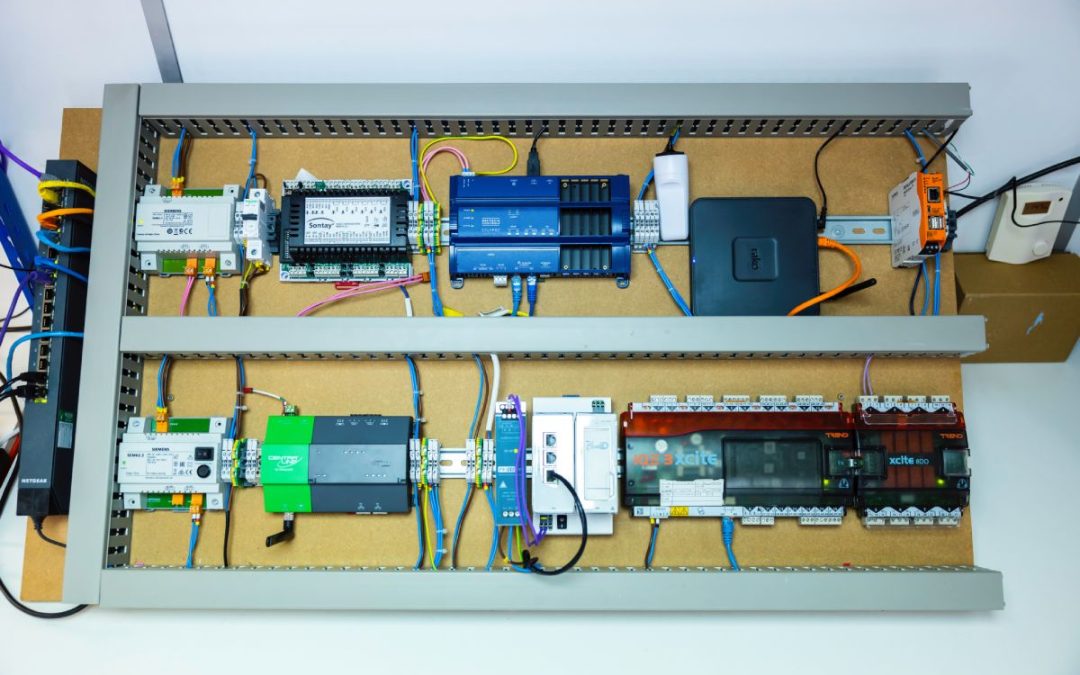
As energy costs continue to rise and sustainability targets become more demanding, businesses are looking for practical ways to improve building performance. Building management system optimisation is one of the most effective ways to reduce unnecessary energy consumption, improve occupant comfort, and gain greater control over building operations. Rather than replacing an existing Building Management System (BMS), optimisation focuses on ensuring it operates as efficiently as possible, helping organisations maximise the value of their investment.
What is Building Management System Optimisation?
Before exploring the benefits, it is important to understand what building management system optimisation actually involves.
Building management system optimisation is the process of reviewing, adjusting and improving the way a Building Management System controls mechanical and electrical services. Over time, buildings change. Occupancy patterns shift, equipment is upgraded and operating hours evolve. Unless the BMS is regularly reviewed, it can continue operating to outdated settings that waste energy and reduce efficiency.
Optimisation ensures every part of the system works together effectively, including:
- HVAC systems
- Heating and cooling schedules
- Ventilation control
- Lighting systems
- Energy monitoring
- Environmental sensors
- Plant equipment
The objective is simple: deliver the required level of occupant comfort while using the minimum amount of energy possible.
At Cube Controls, optimisation is approached as an ongoing process rather than a one-off adjustment. Through bespoke Building Management Systems, modifications, commissioning and long-term support, buildings continue to perform efficiently as operational requirements change.
Why Building Management System Optimisation Improves Energy Efficiency
Once a BMS is operating correctly, it becomes much easier to identify opportunities for further savings.
Many commercial buildings already have sophisticated control systems installed, yet they often fail to achieve their full potential because settings have never been reviewed after installation.
Effective BMS energy efficiency improvements can include:
Reducing unnecessary operating hours
Heating, ventilation and cooling equipment often runs longer than required. Optimising schedules ensures plant only operates when buildings are occupied.
Improving temperature control
Poorly configured setpoints can cause heating and cooling systems to compete against each other. Fine-tuning control strategies eliminates this waste.
Using intelligent control strategies
Modern BMS software can automatically respond to weather conditions, occupancy levels and changing demand. Features such as weather compensation, optimum start and stop routines, and duty rotation help improve performance while reducing energy consumption.
Monitoring equipment performance
Continuous monitoring helps identify equipment that is operating inefficiently before it becomes a costly problem.
Together, these improvements form practical BMS energy saving strategies that lower operating costs without compromising comfort.
How IoT is Transforming Building Management Systems
As technology continues to evolve, optimisation is becoming even more effective through connected devices and intelligent data.
An IoT building management system connects sensors, controllers and equipment across a building, allowing information to be collected and analysed in real time.
Instead of relying solely on fixed schedules, connected systems can respond dynamically to changing conditions.
Examples include:
- Adjusting ventilation based on occupancy
- Monitoring indoor air quality
- Automatically reducing energy use in unused areas
- Receiving remote alerts when equipment operates outside expected parameters
- Monitoring energy consumption continuously
The combination of smart buildings IoT technology and intelligent Building Management Systems gives facilities managers greater visibility across an entire estate.
Rather than reacting to faults, building operators can make informed decisions using live operational data.
BMS vs Smart Building Systems vs IoT
Because these terms are often used interchangeably, it helps to understand how they differ.
Building Management System (BMS)
A Building Management System is the central control platform responsible for managing building services such as HVAC, lighting and other mechanical and electrical systems.
Smart Building
A smart building uses multiple connected technologies to improve operational performance, occupant experience and sustainability. The BMS usually forms the foundation of a smart building strategy.
Internet of Things (IoT)
IoT refers to connected devices and sensors that collect and exchange information. Within commercial buildings, IoT devices provide additional operational insight that enables more intelligent control decisions.
In practice, these technologies work together. The BMS controls the building, IoT devices provide valuable data and the smart building integrates everything into a more efficient environment.
When Should You Optimise Your Building Management System?
Optimisation should not only happen when problems become obvious.
There are several situations where reviewing your BMS can deliver immediate operational improvements.
- Energy costs have increased significantly
- Building occupancy has changed
- HVAC equipment has been upgraded
- Comfort complaints have become more frequent
- Your BMS has not been reviewed for several years
- You are working towards sustainability or carbon reduction objectives
Consider a multi-storey office building where hybrid working has reduced occupancy to three days per week. If the heating and ventilation schedules still reflect full-time occupancy, the building will continue consuming unnecessary energy every day. By reviewing schedules, adjusting control logic and optimising plant operation, the building can better match actual demand while maintaining a comfortable working environment.
This type of practical BMS performance improvement is often achieved without major capital expenditure.
“The best building management systems are never static,” explains Tony Williams, Director, Cube Controls. “Regular optimisation ensures buildings continue to operate efficiently as technology, occupancy and operational requirements evolve.”
Frequently Asked Questions
Finally, here are some of the most common questions building owners and facilities managers ask about optimisation.
What is BMS optimisation?
BMS optimisation is the process of reviewing and improving the way a Building Management System controls building services. The aim is to reduce energy consumption, improve comfort and increase operational efficiency.
How does IoT improve efficiency?
IoT devices provide real-time data from sensors throughout a building. This allows the BMS to make more informed control decisions, identify faults earlier and adjust systems according to actual building usage.
How often should a BMS be optimised?
There is no fixed timeframe, but many organisations benefit from periodic reviews, particularly after changes to occupancy, equipment upgrades or operational requirements. Regular servicing and optimisation help ensure the system continues performing efficiently.
Take the Next Step Towards Better Building Performance
Building management system optimisation is about maximising the performance of the systems you already have. By improving control strategies, integrating modern technologies and reviewing operational performance regularly, organisations can reduce energy consumption, lower operating costs and create more comfortable buildings.
Whether you require a new Building Management System, modifications to an existing installation or ongoing optimisation support, Cube Controls provides bespoke solutions designed around your building and operational requirements.
To learn more, explore our Building Management Systems, discover the benefits of BMS, view our services, visit the Cube Controls homepage, or contact our team to discuss your project.