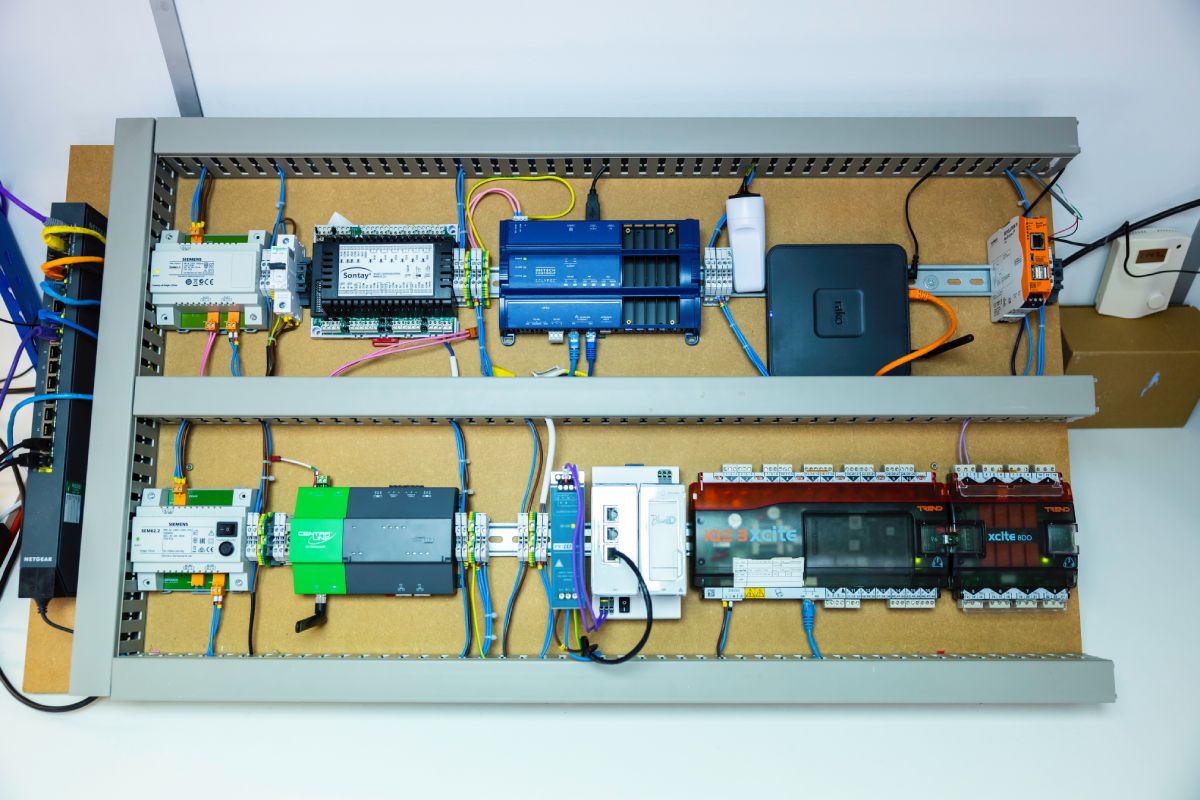
The best building control solutions in 2026 are not defined by a single manufacturer or product name. They are defined by how effectively they help owners and operators manage energy, equipment, security, comfort and building performance. For businesses considering a new Building Management System, the right choice depends on the building, its existing infrastructure and its operational priorities.
The Evolution of Building Control Systems
Before comparing the leading solutions, it is important to understand how building controls are changing. Traditional building control systems were often designed around separate mechanical services. Heating, ventilation, cooling, lighting and security might each have their own controls, interfaces and maintenance requirements.
Modern Building Management Systems take a more integrated approach. They bring information from different systems into one platform, giving property owners, building managers and facilities teams greater visibility and more consistent control.
This does not mean every building needs a completely new system. In many cases, an existing BMS can be modified, extended or integrated with newer technology. Open protocol controllers can also make it easier to connect equipment from different manufacturers.
The strongest building controls and solutions in 2026 are therefore flexible rather than restrictive. They should support the building’s current requirements while allowing for future changes.
It is also important not to choose a system simply because its name is familiar. Trend, for example, is so widely recognised in the UK that some customers use the name as though it means BMS. However, several capable manufacturers serve the market, and each platform has its own strengths and limitations.
A system should be selected because it suits the building, not because it has the highest profile.
1. Intelligent AI-Driven Optimisation for Modern Buildings
That need for a better fit is driving interest in more intelligent control strategies.
AI-driven optimisation is one of the most discussed developments in automated building control solutions. In practical terms, it involves using building data to identify patterns and improve how equipment operates.
A conventional control strategy might switch heating on at the same time each morning. A more intelligent system can consider factors such as outside temperature, internal conditions and how quickly the building normally warms up.
This can help the system start later on mild days or earlier during colder weather. The aim is to achieve the required conditions without running equipment longer than necessary.
Where intelligent optimisation can add value
Useful applications can include time optimisation, weather compensation, demand-based ventilation and equipment duty rotation. These strategies can reduce avoidable operation while maintaining suitable conditions for occupants.
For example, consider an office building where the heating starts at 5.00am throughout the year. During spring and autumn, the building may reach its required temperature well before employees arrive.
An optimised control strategy can adjust the start time according to actual conditions. This reduces unnecessary plant operation without asking the facilities team to make daily manual changes.
However, intelligent technology still depends on good system design. Poor sensor data, incorrect setpoints or unsuitable control sequences can limit its effectiveness. AI should support informed building management rather than replace proper engineering and commissioning.
The best automated building control solutions combine useful automation with clear visibility, allowing operators to understand what the system is doing and intervene when needed.
2. Advanced Safety and Access Control Solutions
While optimisation improves performance, effective building controls must also support safe and secure operation.
Building access control solutions manage how people enter and move through a property. Depending on the site, this may include controlled doors, restricted areas, visitor access and time-based permissions.
Access control is often managed through a specialist security platform. However, useful information can be shared with the wider building control system where the design and technical interfaces allow it.
For example, occupancy or access information may help a building respond more appropriately when an area is in use. Lighting or environmental controls could be enabled for occupied zones rather than operating across an entire property.
Coordinating systems without compromising safety
Integration does not mean that every system should be controlled from one place without restriction. Fire systems, security systems and other safety-critical services have specific operational requirements.
A BMS may monitor selected alarms or status information, but it must not interfere with the independent operation of critical systems.
The practical benefit of suitable integration is improved awareness. Facilities teams can view important building information more easily and respond faster when an alarm or fault occurs.
Effective building control systems should therefore make safety information clearer without creating unnecessary complexity or compromising system responsibilities.
3. Sustainable and Energy-Efficient Building Management
Once safety and operational responsibilities are established, energy performance becomes a central priority.
Heating, cooling and ventilation equipment can consume significant energy when controls are poorly configured. Common issues include unsuitable operating times, simultaneous heating and cooling, incorrect temperature setpoints and plant running in unoccupied areas.
A well-designed BMS can help identify and address these problems. It can schedule plant more accurately, monitor temperatures and provide alarms when performance moves outside expected conditions.
Energy-efficient building control solutions may also use strategies such as:
- Weather compensation to adjust heating output according to external conditions.
- Time optimisation to reduce unnecessary early starts and late finishes.
- Demand-based control to match ventilation or plant output to actual requirements.
- Duty rotation to balance operating hours across multiple items of equipment.
- Trend monitoring to show how conditions and equipment performance change over time.
These measures can improve efficiency while supporting occupant comfort and equipment reliability.
Efficiency depends on ongoing attention
Installing a BMS does not automatically guarantee efficient operation. Buildings change over time. Occupancy patterns alter, equipment is replaced and internal spaces are used differently.
A system that was correctly commissioned several years ago may no longer reflect current requirements. Periodic energy assessment, validation and optimisation can identify where settings or control strategies need to be updated.
This is particularly important when older equipment is retained. Alternative building control solutions may allow existing plant and controls to be integrated rather than replaced immediately, reducing disruption and unnecessary capital expenditure.
The most sustainable option is often the one that makes effective use of existing assets while improving how they are controlled.
4. Integrated Smart Platforms for Seamless Building Operations
Energy improvements become easier to manage when information is brought together effectively.
Integrated smart platforms give building operators a central view of multiple mechanical, electrical and environmental systems. Depending on the application, this may include HVAC, lighting, power monitoring, security status and fire system monitoring.
The value is not simply having more information on a screen. A well-designed interface should help users understand what is happening, identify priorities and take appropriate action.
For a facilities manager responsible for several floors or buildings, this can reduce the need to inspect separate control panels. Alarms, operating conditions and performance trends can be reviewed from a central workstation or through an appropriate remote connection.
Open and hybrid systems
Integral building control solutions are particularly valuable on sites containing equipment from different manufacturers.
Many commercial properties have developed over several years. One area may use a modern BMS, while another still relies on older controllers or standalone plant controls.
Replacing everything is not always practical or commercially justified. A specialist BMS provider can assess which systems can be retained, modified or connected using suitable protocols and interfaces.
Open protocol controllers can provide greater flexibility by supporting integration with compatible third-party equipment. They can also reduce dependence on a single manufacturer, although the quality of the design, programming and ongoing support remains essential.
A genuinely integrated platform should simplify building operations. It should not create a complicated layer of technology that the customer cannot maintain or understand.
5. Data Analytics and Reporting for Proactive Decision-Making
Once systems are connected, building data becomes a practical management tool.
Modern building control systems can record temperatures, setpoints, equipment status, alarms and operating times. This information allows facilities teams to move beyond reactive maintenance.
Instead of waiting for a complete failure, operators can look for signs of declining performance. A pump running for longer than expected, repeated temperature alarms or unusual boiler cycling may indicate a problem that needs investigation.
Trend data can also help determine whether complaints are caused by the control system, the mechanical equipment or changing conditions within the building.
Turning data into useful action
More data does not automatically produce better decisions. Reports must be relevant to the people using them.
A building owner may want a clear overview of energy and operating performance. A maintenance engineer may need detailed alarm histories and equipment trends. A facilities manager may need both.
Good building control and solutions design considers these different requirements. Dashboards, alarms and reports should be configured around operational priorities rather than displaying every available data point.
Remote support can add further value. With suitable access arrangements, a BMS specialist may be able to review system performance, investigate faults and make approved adjustments without waiting for a site visit.
This can support faster diagnosis and more responsive maintenance, particularly across larger or geographically dispersed estates.
How to Compare Leading Building Control Providers in 2026
These five solution areas matter, but the provider behind the technology is equally important.
There is no single BMS manufacturer that is automatically best for every project. Each platform has advantages, limitations and preferred applications.
A suitable recommendation should consider:
- The size and complexity of the building.
- The mechanical and electrical services being controlled.
- Existing controllers, networks and field equipment.
- Integration requirements.
- The skills and resources available to the facilities team.
- Future expansion or modification plans.
- Maintenance and technical support requirements.
- Project budget and long-term operating costs.
Be cautious when a provider recommends a system without first understanding these factors. A familiar brand may be suitable, but familiarity alone is not a technical justification.
It can be helpful to seek advice from two or three experienced BMS specialists before making a major investment. The objective is not simply to compare equipment prices. It is to understand how each proposed solution will operate, integrate and be supported throughout its working life.
There is no dedicated BMS ISO standard. However, CIBSE commissioning guidance is frequently referenced within project specifications. Proper commissioning, testing and handover remain essential, regardless of the manufacturer selected.
FAQ
What is the future of BAS?
The future of Building Automation Systems is likely to involve greater integration, more accessible data and more responsive control strategies.
Buildings will increasingly use connected information to adjust operation according to occupancy, weather, energy demand and equipment performance. However, reliable sensors, correct commissioning and informed human oversight will remain essential.
What is the best building management system?
The best Building Management System is the one that meets the building’s technical and operational requirements.
No manufacturer is ideal for every property. The right choice depends on the existing infrastructure, required integrations, user needs, available support and future plans.
An independent assessment from an experienced multi-platform BMS provider can help prevent a decision based solely on brand recognition.
What is the most widely used green building rating system in the world?
Several green building assessment methods are used internationally, with the appropriate framework depending on the country, project type and client requirements.
A BMS can support wider sustainability objectives by improving control, monitoring energy-related performance and providing useful operational data. However, installing a BMS does not itself guarantee a particular environmental rating.
What is the outlook for the building automation industry?
Building automation is expected to remain important as owners seek better control over energy, comfort, maintenance and operational costs.
Demand is also likely to grow for systems that can integrate existing equipment rather than requiring complete replacement. This makes flexible controls, open protocols and specialist engineering support increasingly valuable.
Choosing the Right Building Control Solution
The leading building control solutions for 2026 are AI-supported optimisation, advanced access and safety integration, energy management, integrated smart platforms and practical data analytics.
However, technology should never be selected in isolation. The most effective solution is one that reflects the building’s layout, equipment, occupancy and long-term operational needs.
Cube Controls works across multiple BMS platforms, designing, installing, modifying and maintaining systems for commercial buildings throughout the UK. Our team can assess existing controls, explain the available options and recommend a practical solution without assuming that one manufacturer will suit every project.
To discuss a new BMS, an existing system upgrade or an energy optimisation project, contact Cube Controls and talk to our team about your building on 01903 694279 or sales@cubecontrols.co.uk.